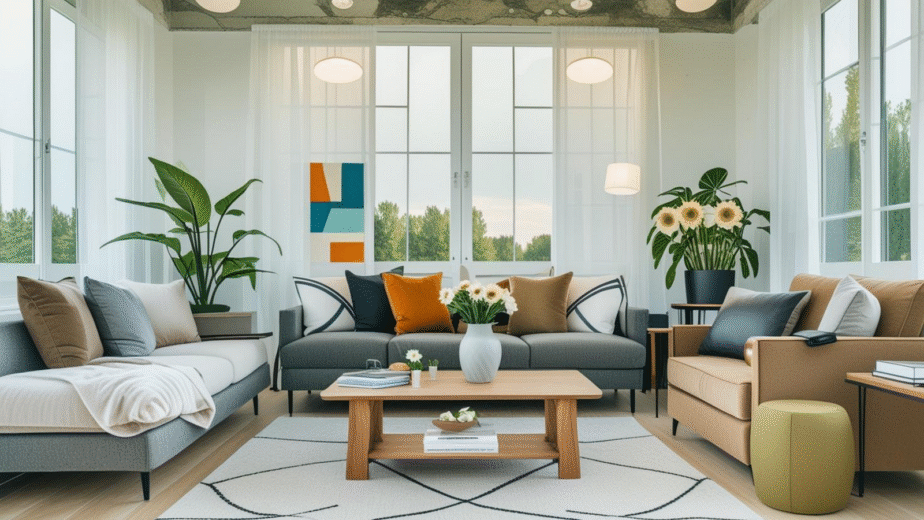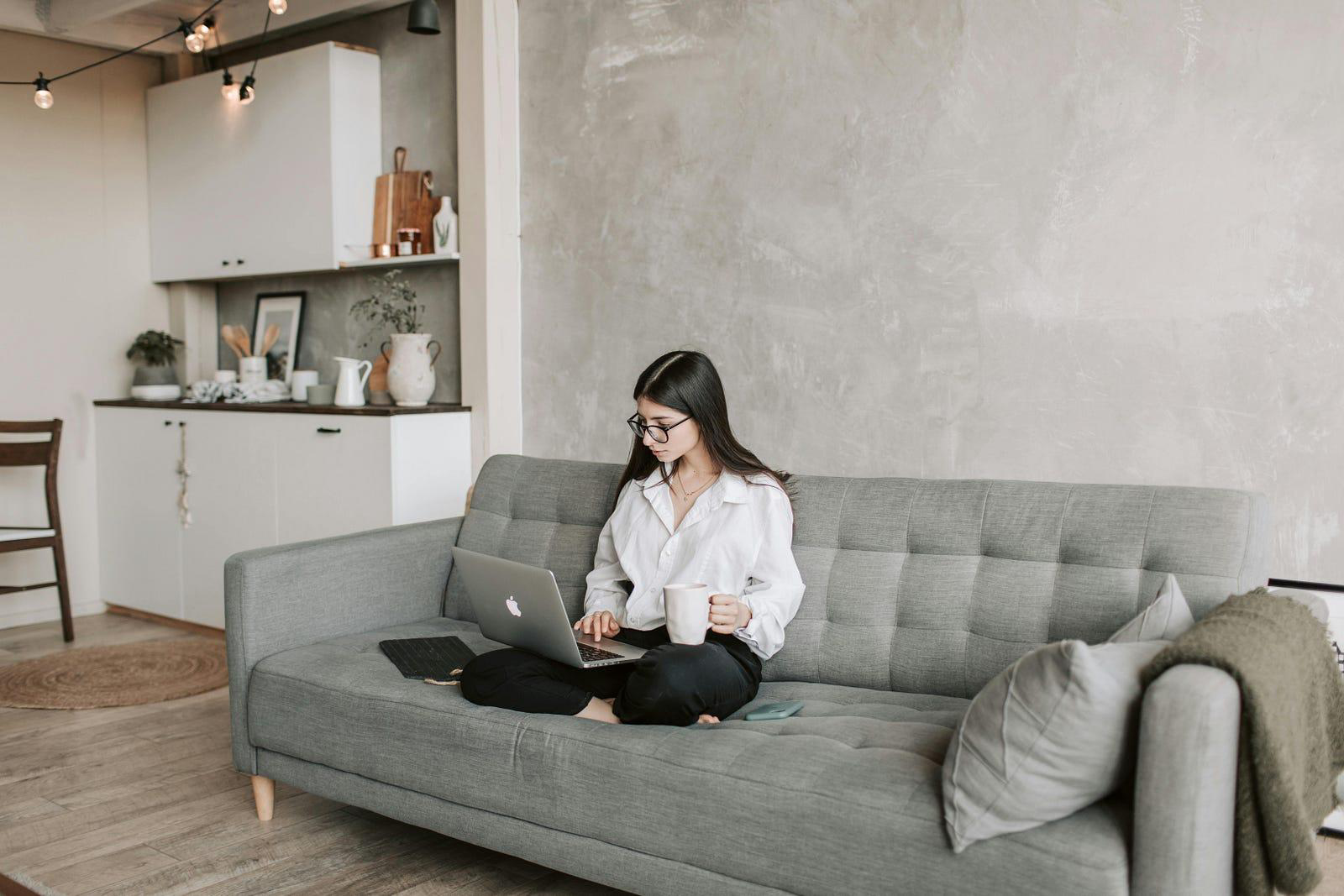
The rise of remote work has transformed how — and where — we live. At the heart of this shift is the digital nomad: a new generation of global workers who value flexibility, freedom, and experience over the constraints of traditional office life. As this lifestyle gains traction, so does the demand for adaptable, connected, and community-driven living environments. Enter smart housing and co-living.
Who Are Digital Nomads?
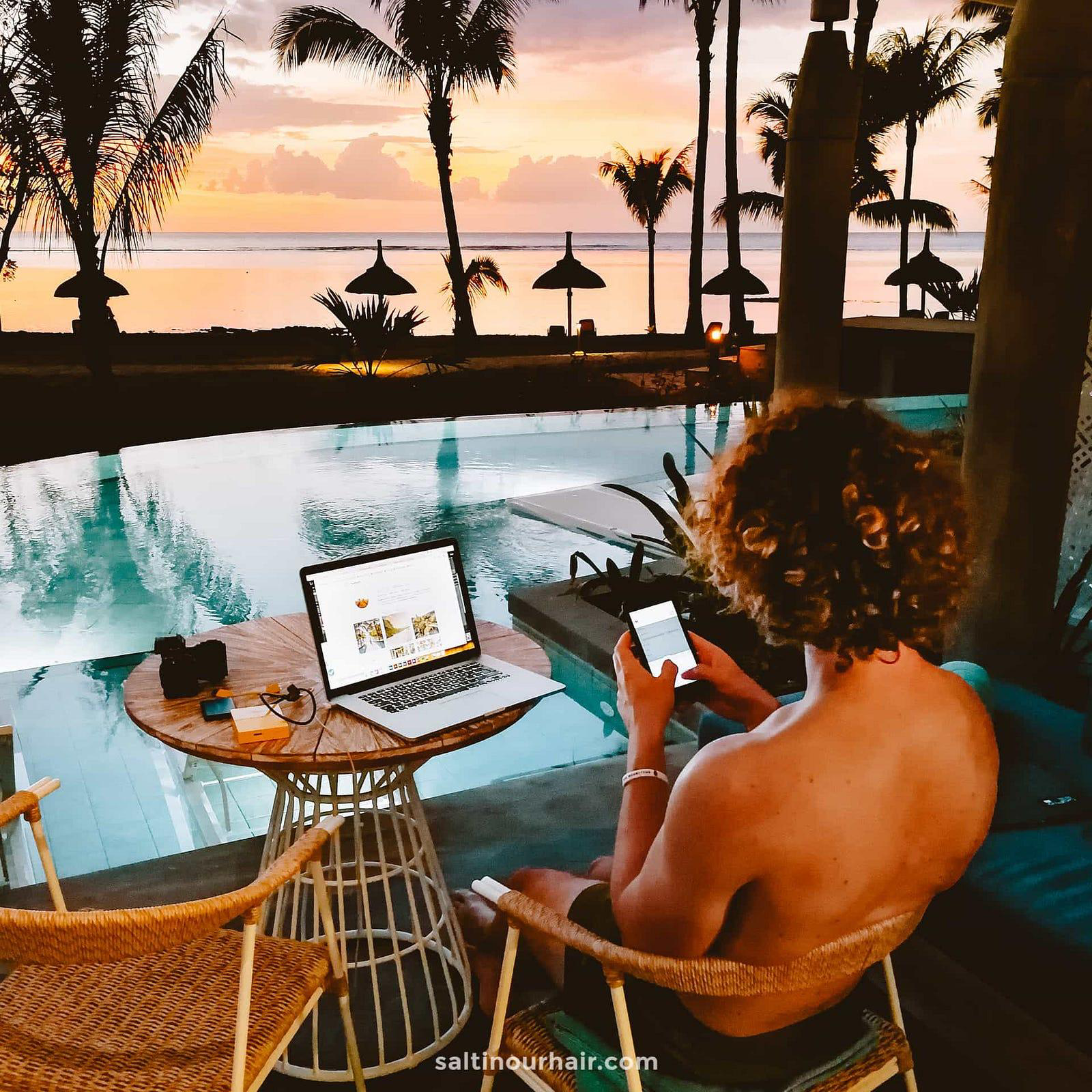
Digital nomads are remote professionals — freelancers, tech workers, creatives — who earn a living online while traveling from place to place. Their lifestyles are rooted in mobility and efficiency, and they need housing that matches.
Long-term leases, local utility setup, and traditional apartment hunting are barriers for this group. Instead, they seek plug-and-play spaces that allow them to hit the ground running in any city.
Why Smart Housing Works
Smart housing is designed for the on-the-go lifestyle. These modern spaces often include features like:
- Keyless entry
- App-controlled climate and lighting
- High-speed Wi-Fi
- Digital rent payments
- Flexible lease terms
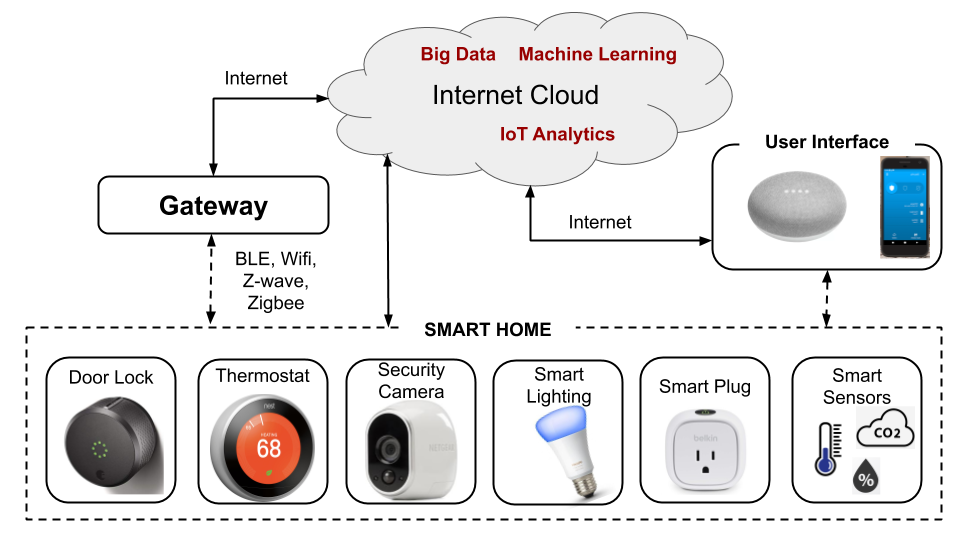
Together, these features minimize hassle and maximize comfort — perfect for those who value time, autonomy, and functionality. With the help of automation and tech integrations, digital nomads can focus more on work and exploration, and less on daily logistics.
Co-Living: More Than Just a Room
While smart housing offers convenience, co-living brings connection. These community-oriented residences provide private rooms with shared kitchens, coworking areas, and lounges — along with curated social events, dinners, or skill-sharing meetups.
For digital nomads arriving in a new city, co-living can make the transition smoother. It offers a ready-made community of like-minded people, turning a temporary stay into a meaningful social experience. From friendship to networking, the human aspect of co-living enhances both personal and professional life.
Benefits of Flexible Living
- Move-in ready: Fully furnished with utilities included.
- Built-in community: Network with fellow remote professionals.
- Short stays welcome: No need for long-term commitments.
- Curated experiences: Access to events, workshops, and social spaces.
The Future Is Flexible
As more companies embrace remote or hybrid work models, digital nomadism is no longer niche — it’s mainstream. Forward-thinking developers and property platforms are already building for this shift. Cities like Lisbon, Bali, and Berlin are embracing co-living and smart rentals as part of their urban innovation strategy.
Conclusion
Digital nomads are redefining what it means to “live and work.” Their preferences are shaping a new kind of rental ecosystem — one that values tech, design, and community in equal measure.
Co-living with smart features isn’t just a trend — it’s the blueprint for modern, meaningful living.